
Erasmus + Study VisitProject Dates: 17–21 August 2026
Location: Šibenik, Croatia
Participating Countries: Croatia, Türkiye, Romania, Czechia, Portugal, Slovakia and Germany
Participating Organisation: System and Generation Association (S&G), Ankara, Türkiye
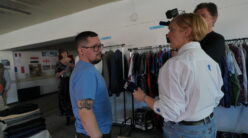
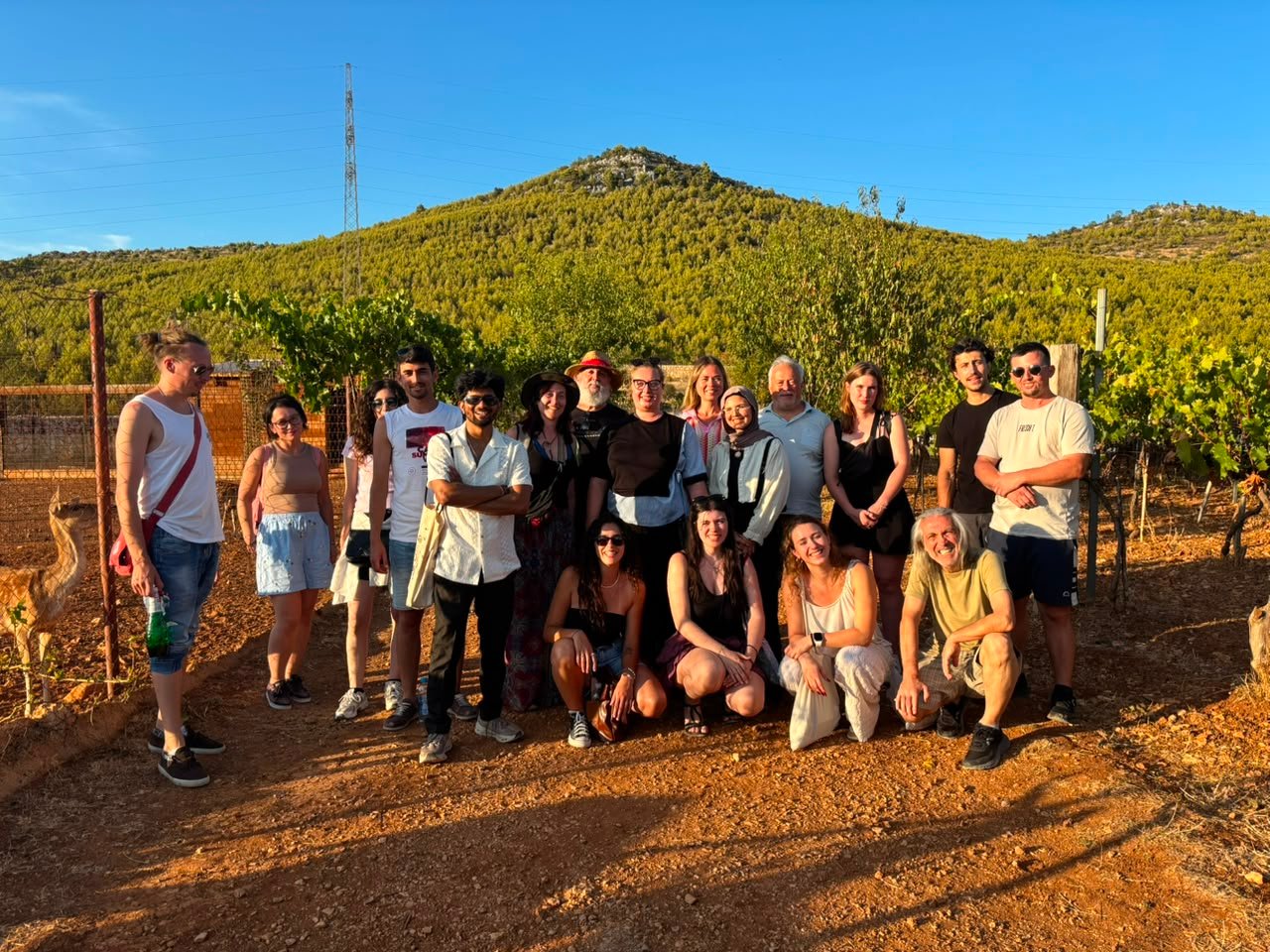
From 17 to 21 August 2026, an Erasmus+ Study Visit was held in Šibenik, Croatia, bringing together participants from Croatia, Türkiye, Romania, Czechia, Portugal, Slovakia and Germany. The study visit focused on the exchange of good practices and methods in youth work, volunteering, social inclusion, peer support and activities supporting young people with disabilities. Throughout the programme, participants took part in organisational visits, workshops, presentations, practical demonstrations and group activities designed to facilitate the exchange of knowledge and experiences between different European contexts. The first day of the study visit was dedicated to welcoming the participants, introductions and group-building activities. Participants had the opportunity to introduce themselves, their organisations and their areas of work, while shared activities and a common meal contributed to establishing communication and a positive group dynamic. The international composition of the group created an appropriate environment for intercultural exchange and provided opportunities to compare different experiences and approaches in the field of youth work. As part of the programme, participants visited Mladi u EU Association / Volunteer Centre in Šibenik. During the visit, information was provided about the organisation, its activities and its work with young people. Particular attention was given to volunteering, youth participation and the role of local organisations in encouraging young people’s active involvement in their communities. The visit provided practical insight into community-based youth work and volunteering activities and demonstrated how local organisations can create opportunities for young people to participate, develop skills and become more actively involved in society. The programme also included workshops in which participants worked in groups and exchanged methods, practices and experiences used by their respective organisations when working with young people.
This activity supported the international exchange of good practices and allowed participants to identify similarities and differences between youth work approaches in the participating countries. As part of this exchange, System and Generation Association (S&G), Ankara, Türkiye, was introduced through a prepared organisational poster and presentation. This provided an opportunity to present the organisation’s activities and areas of work while also learning about the work and experiences of other participating organisations. Another important part of the study visit focused on social inclusion and community participation. Participants visited an association where people aged 65 and above take part in various social activities. During the visit, the organisation presented its activities, methods and approaches for encouraging social participation. The session demonstrated the importance of creating opportunities for older people to remain socially active and connected to their communities, while also highlighting the role of community-based organisations in addressing social isolation and promoting participation. Participants subsequently visited Društvo multiple skleroze Šibensko-kninske županije, where they learned about the organisation’s youth club for young people with disabilities. The organisation presented its work, experiences and approaches related to peer support, social inclusion and the participation of young people with disabilities. Particular attention was given to peer support models and the importance of providing supportive environments in which young people can communicate, share experiences and participate actively in social life.
The visit provided practical examples of methods that can contribute to more inclusive youth work and demonstrated the importance of considering the needs and experiences of young people with disabilities when designing activities and support mechanisms. The study visit also included a visit to Konjički klub Kolland, where participants were introduced to equine-assisted activities for young people with disabilities. Practitioners explained how specially trained horses are incorporated into activities designed to support the development, socialisation and well-being of children and young people with disabilities. Participants had the opportunity to observe a live demonstration and participate in a question-and-answer session with practitioners. Information was also provided about the preparation and training of horses used for these activities. This visit demonstrated an innovative and experiential approach to supporting young people with disabilities and highlighted the potential of alternative methods for promoting communication, social interaction, personal development and participation.
Overall, the study visit provided several important professional and organisational learning outcomes. Participants increased their knowledge of different approaches to youth work, volunteering and social inclusion and gained practical insight into peer support models and activities designed for young people with disabilities. The programme also provided examples of community-based activities for older people and innovative approaches such as equine-assisted activities. The exchange of practices between participants from seven European countries contributed to a broader understanding of different national and local approaches to youth work. The study visit also strengthened intercultural communication and cooperation among participants and created opportunities for the development of new professional contacts and networks. Direct interaction with local organisations and practitioners allowed participants to observe how different methods are implemented in practice and provided opportunities to consider how relevant approaches could be adapted to other organisational and local contexts. The activities implemented during the study visit were closely connected with the objectives of Erasmus+ in the fields of youth, learning, cooperation, participation and social inclusion.
For organisations, Erasmus+ provides opportunities to establish international partnerships, exchange good practices, strengthen organisational capacity and develop new initiatives with European partners. For youth workers, the programme offers opportunities for professional development, international learning, networking and the acquisition of new methods and approaches that can be applied in youth work. For young people, Erasmus+ provides opportunities for mobility, non-formal learning, intercultural exchange, volunteering, participation and personal and social development. In conclusion, the Erasmus+ Study Visit in Šibenik provided a structured environment for international learning, professional exchange and the dissemination of good practices. Through organisational visits, workshops, presentations and practical demonstrations, participants gained direct insight into different approaches to volunteering, youth participation, social inclusion, peer support and activities for young people with disabilities. The participation of organisations and individuals from Croatia, Türkiye, Romania, Czechia, Portugal, Slovakia and Germany strengthened the international dimension of the programme and facilitated the exchange of practices across different national contexts. The knowledge and methods shared during the study visit can contribute to the development of future youth work activities, international cooperation and more inclusive approaches within the youth work sector.